

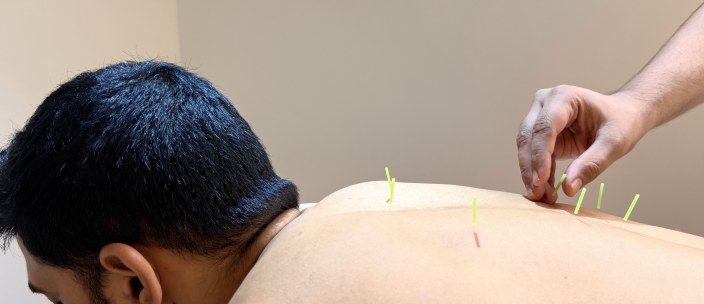
Acupuncture may seem like a modern wellness trend, but its origins go back thousands of years. Today, clinics around the world - including Healing Roots Acupuncture Clinic with branches in Worli, Malad, and Dahisar - use this ancient technique to help people manage pain, stress, hormonal imbalances, and many other health concerns.
Understanding the surprising history behind acupuncture therapy gives valuable insight into why it remains one of the most respected holistic treatments today. While modern medicine relies heavily on drugs and surgery, acupuncture focuses on restoring the body’s natural balance and healing mechanisms.
This article explores how acupuncture began, how it spread across the world, and why it continues to complement modern healthcare.
Ancient Origins of Acupuncture
Acupuncture originated in China more than 2,500 years ago as part of Traditional Chinese Medicine (TCM). Ancient physicians believed that health depended on the smooth flow of vital energy through the body.
The Concept of Qi Energy
In Traditional Chinese Medicine, the body contains a life force known as Qi (pronounced “chee”).
Qi flows through invisible channels called meridians, which connect different organs and systems in the body.
When Qi flows freely:
The body remains healthy
Energy levels stay balanced
Organs function efficiently
When this energy becomes blocked, people may experience pain, fatigue, or illness. Acupuncture was developed to restore this balance.
If you're new to acupuncture, you may want to read our guide on 5 Proven Acupuncture Benefits You Need to Know, which explains how this ancient therapy helps modern health problems.
Early Tools Used in Acupuncture
The acupuncture needles used today are extremely thin and sterile. However, ancient practitioners initially used simple tools made from natural materials.
Primitive Healing Instruments
Historical records show early practitioners used:
Sharpened stones
Bamboo needles
Fish bones
Metal instruments
These tools were used to stimulate specific points on the body that influence energy flow.
Over centuries, these techniques evolved into the precise acupuncture methods used today in professional clinics such as Healing Roots Acupuncture Clinic in Mumbai.
Ancient Medical Texts That Defined Acupuncture
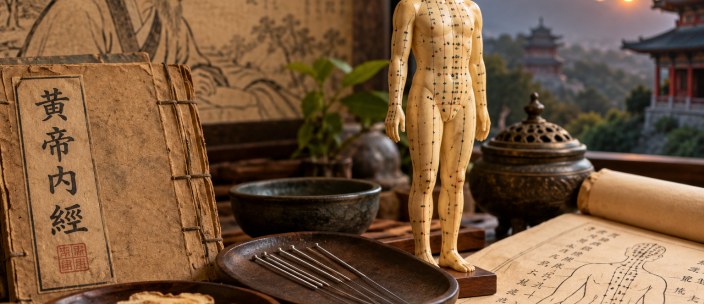
One of the most important historical documents in Chinese medicine is the Huangdi Neijing, also known as The Yellow Emperor’s Inner Canon.
Written more than 2,000 years ago, this text laid the foundation for acupuncture theory.
Key Concepts from the Huangdi Neijing
The text described:
The meridian system of the body
The role of Qi energy
Diagnostic methods like pulse reading
Treatment techniques using acupuncture and herbal medicine
These principles still influence acupuncture practice today.
How Acupuncture Spread Across Asia
For centuries, acupuncture remained primarily practiced in China. Eventually, the technique spread to neighboring countries.
Adoption in Japan and Korea
Around the 6th century, acupuncture reached Japan and Korea, where it evolved into slightly different techniques.
Japanese acupuncture, for example, developed:
Ultra-gentle needle insertion
Shallow needle techniques
Specialized diagnostic methods
These innovations made acupuncture even more accessible and comfortable.
Acupuncture's Introduction to the Western World
Acupuncture first reached Europe during the 17th century through travelers, missionaries, and traders who visited China.
Despite early curiosity, Western medicine initially dismissed acupuncture because it did not align with scientific understanding at the time.
However, this perception began to change in the 20th century.
The Turning Point: Acupuncture Gains Global Attention
A major turning point occurred in 1971, when an American journalist visiting China required emergency surgery. After the procedure, Chinese doctors used acupuncture to manage his post-operative pain.
His experience was widely reported internationally, sparking interest among Western doctors and researchers.
Soon, medical researchers began studying how acupuncture affects the nervous system.
Scientific Understanding of Acupuncture Today
Modern research suggests acupuncture works by stimulating the body’s natural healing mechanisms.
How Acupuncture Affects the Body
Studies indicate acupuncture can:
Stimulate nerve pathways
Release endorphins (natural painkillers)
Improve blood circulation
Reduce inflammation
Relax the nervous system
This is why acupuncture is widely used today for conditions like back pain, migraines, stress, and insomnia.
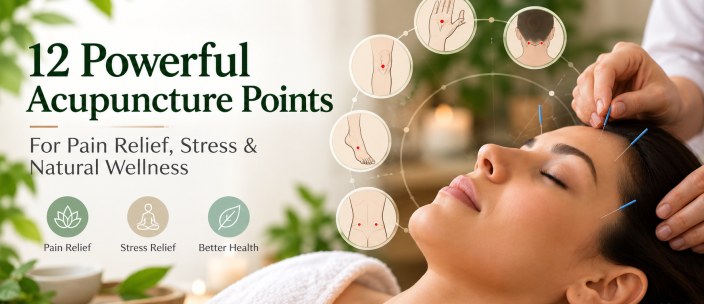
You can explore this further in our article Acupuncture Points Guide: Healing & Balance, which explains how specific points influence different body systems.
Acupuncture vs Modern Medicine
Although acupuncture and modern medicine approach health differently, both systems have valuable roles in healthcare.
Key Differences in Philosophy
Instead of replacing modern medicine, acupuncture often works alongside it.
For example, many patients seek acupuncture when looking for alternatives to long-term pain medication. Our article Why Acupuncture Beats Painkillers (Science Explained) explores this topic in depth.
Why Acupuncture Is Growing in Popularity in Mumbai
Cities like Mumbai experience high levels of stress, long working hours, and sedentary lifestyles. These factors contribute to conditions such as:
Back and neck pain
Anxiety and burnout
Sleep disorders
Hormonal imbalances
As a result, more people are turning toward holistic treatments.
At Healing Roots Acupuncture Clinic, patients from across Mumbai visit our Worli, Malad, and Dahisar locations to explore natural solutions for pain management, stress relief, and overall wellness.
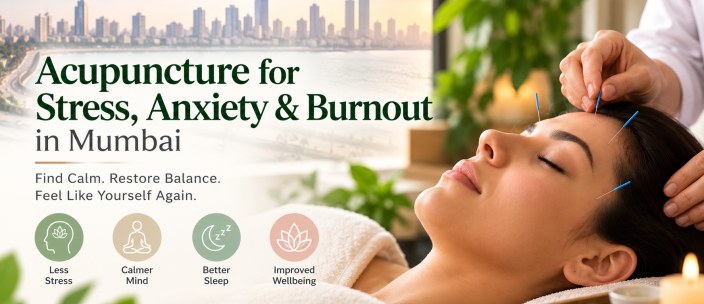
Many working professionals also benefit from therapies discussed in our article Acupuncture for Mumbai Stress, Anxiety & Burnout, which explains how acupuncture supports mental health in urban environments.
Acupuncture in Modern Integrative Healthcare
Healthcare is increasingly moving toward integrative medicine, which combines conventional treatments with evidence-based holistic therapies.
Acupuncture plays a significant role in this approach because it can help with:
Chronic pain management
Stress reduction
Hormonal balance
Sleep improvement
Sports recovery
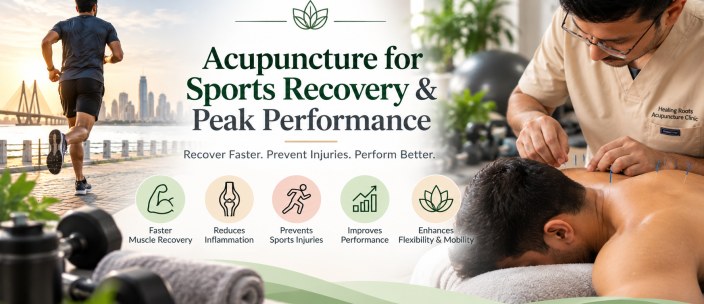
Athletes and fitness enthusiasts often use acupuncture as part of recovery programs, as explained in our article Acupuncture for Sports Recovery & Peak Performance.
The Future of Acupuncture Therapy
The future of acupuncture looks promising as more scientific research supports its benefits.
Modern techniques such as:
Electroacupuncture
Laser acupuncture
Integrative wellness programs
are helping bridge the gap between ancient healing and modern healthcare.
At clinics like Healing Roots Acupuncture Clinic, the focus remains on combining traditional knowledge with modern understanding to provide safe and effective treatments.
Conclusion
The surprising history behind acupuncture therapy reveals how a healing system developed thousands of years ago continues to benefit people today.
From ancient Chinese physicians studying energy flow to modern clinics offering holistic wellness solutions, acupuncture has stood the test of time.
As more people seek natural ways to manage pain, stress, and chronic health conditions, acupuncture is becoming an increasingly important part of modern healthcare.
If you’re interested in exploring this therapy, Healing Roots Acupuncture Clinic welcomes you at our Worli, Malad, and Dahisar centers in Mumbai, where traditional wisdom meets modern wellness.